PlayStation Plus Tiers Explained (2026): Essential, Extra & Premium
The three PS Plus tiers, how each one really works, and the library nuance that trips up almost everyone.
The three PS Plus tiers, how each one really works, and the library nuance that trips up almost everyone.
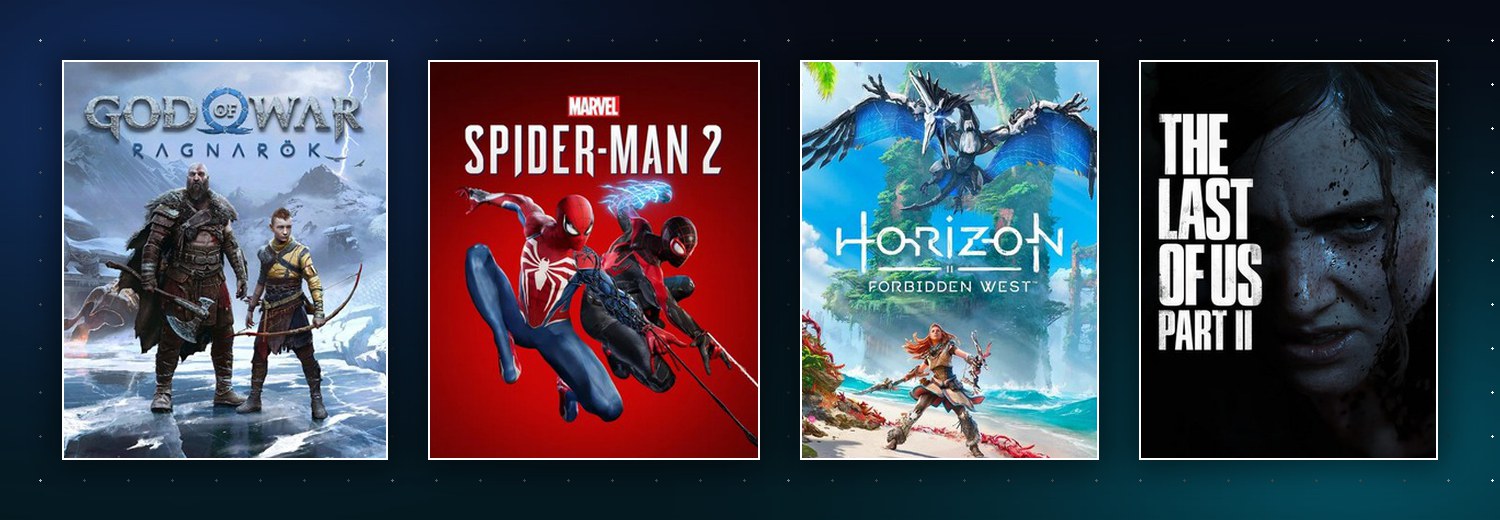
PlayStation Plus comes in three tiers — Essential, Extra and Premium — and Sony builds them as nested layers: each higher tier includes everything below it and adds more on top. That structure is simple in theory, but a few genuinely important details get lost in the marketing, especially around which games you actually keep. This guide walks through what each tier really gives you, the online multiplayer requirement, how the Monthly Games claim mechanic works, and the ownership nuance that catches out even long-time subscribers.
Think of PS Plus as three concentric rings. Essential is the inner ring and the foundation of the whole service. Extra wraps around it, keeping every Essential benefit and layering on the Game Catalog. Premium is the outer ring, keeping everything in Extra and adding perks aimed at people who care about legacy PlayStation games and streaming.
Because of that nesting, you never lose a lower tier's perks by paying for a higher one — you only add to them. Prices vary by region and by billing length (monthly, quarterly and 12-month plans are offered), so we won't quote figures as hard facts here; check the official PlayStation Plus page or the PlayStation Store for your country. What is stable is the relative ordering: Essential is the cheapest, Extra sits in the middle, and Premium is the most expensive.
Essential is the tier most people mean when they say "PS Plus," because it houses the benefit almost everyone needs: online multiplayer. On PS5, playing the online modes of most paid games requires an active PS Plus subscription of any tier. There are exceptions — many free-to-play titles let you play online without a subscription — but as a rule, if a paid game has competitive or co-op online, you need PS Plus to use it. If you're lining up shared campaigns, our roundup of the best co-op games on PS5 notes which ones lean on online play.
Essential also includes:
Extra keeps every Essential benefit and adds the feature most people upgrade for: the Game Catalog, a rotating library of hundreds of PS4 and PS5 titles you can download and play at no extra cost while subscribed. This is where Extra earns its keep — less "a couple of free games a month," more "a large on-demand backlog." The lineup shifts over time as titles are added and, periodically, removed.
For most subscribers, Extra is the sweet spot: it turns PS Plus from an online-play toll into a buffet of games to work through. If you're weighing whether that buffet beats simply buying what you want in sales, our companion piece on PS Plus vs buying games on sale runs the real-world math. The key thing to internalize now — and we'll return to it below — is that Catalog games are only playable while you're subscribed.
Premium is the top tier. It keeps everything in Extra and adds three things aimed at more specific players:
Premium makes the most sense if you value retro PlayStation libraries, like to test games before committing, or want to stream instead of filling your SSD. If none of those describe you, Extra likely delivers most of the value for less.
This is the single most important distinction in the whole service, and it's easy to miss.
Put plainly: if you claim a month's Monthly Games and later downgrade from Premium to Essential, those claimed games remain playable, because you still have an active subscription. But if you let your subscription lapse entirely, even claimed Monthly Games become locked until you resubscribe — none of these are permanent purchases you own outright. Meanwhile, anything you were playing from the Extra Game Catalog or the Premium Classics catalog stops being playable the moment you drop below the tier that includes it, or if that specific title rotates out.
Two practical habits follow. First, claim every Monthly Game even if you don't plan to play it soon — claiming is free and locks it to your account for as long as you subscribe. Second, don't treat Catalog progress as safe forever; if a title you love looks like it might leave, finishing it or buying it (often at a subscriber discount) is the only way to guarantee access.
| Feature | Essential | Extra | Premium |
|---|---|---|---|
| Online multiplayer | Yes | Yes | Yes |
| Monthly Games (claim to keep) | Yes | Yes | Yes |
| Cloud saves & store discounts | Yes | Yes | Yes |
| Game Catalog (hundreds of titles) | — | Yes | Yes |
| Classics catalog | — | — | Yes |
| Game trials | — | — | Yes |
| Cloud streaming | — | — | Yes |
A useful rule of thumb: pick Essential if you mainly play online and buy your own games; pick Extra if you want a large ready-to-play library and rarely finish everything you buy; pick Premium if retro catalogs, trials or streaming genuinely appeal to you.
One billing quirk worth planning around: upgrading or stacking tiers is priced on the remaining value of your current plan, not a clean per-month swap. If you already hold a long Essential plan and later upgrade to Extra or Premium, Sony charges an upgrade cost based on the time left, which can work out more expensive per remaining month than choosing the higher tier from the start. The takeaway: if you think you'll want Extra or Premium, it's usually cheaper to subscribe to that tier directly rather than buying a long Essential plan and upgrading later. Because the exact calculation and any promotional pricing vary by region and change over time, confirm the figure the store shows you before you commit.
Whichever tier you land on, the mental model is what matters: Essential buys you online access and a trickle of games you claim, Extra buys you a large borrowable library, and Premium adds legacy games and streaming on top. Keep the ownership rule front of mind — claim your Monthly Games, and remember that catalog access lives and dies with your subscription — and PS Plus becomes a predictable part of your PlayStation life rather than a source of nasty surprises.
← Back to News